
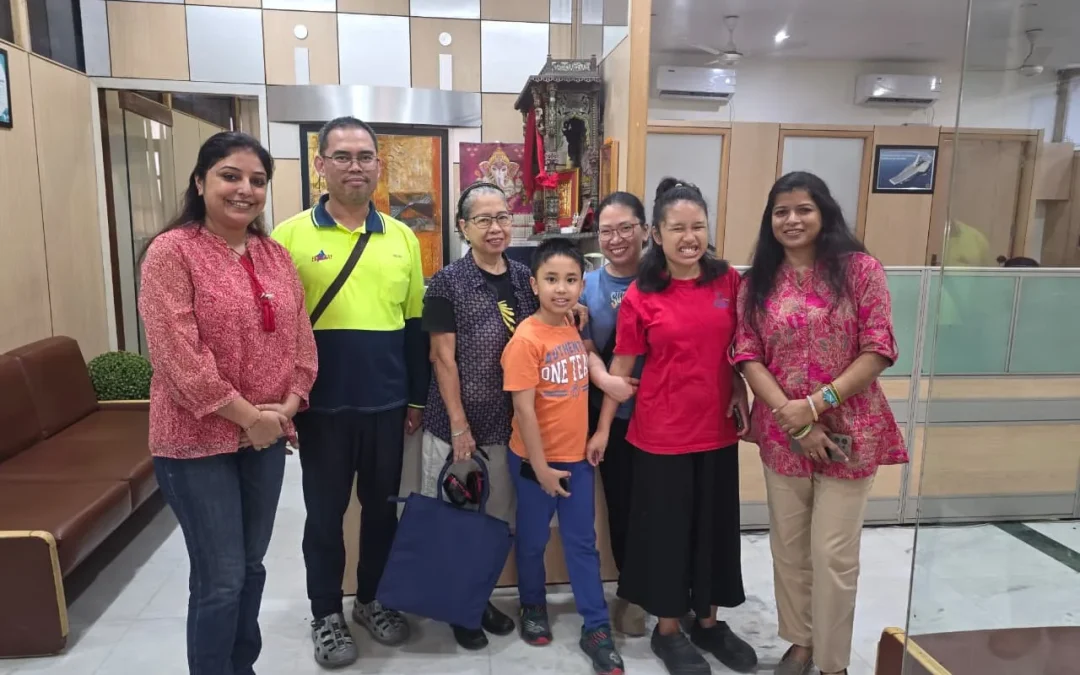
Celina’s Journey: A Step Toward Calm and Connection
A story of Autism, love and the healing power of Stem Cells
Mrs. Filipinas Manatad, the mother of an 11 year old Celina Manatad tried every possible treatment modality for her child. However, to her dismay, it only left her with the frustrations, as none showed any major improvement. Like every other concerned parent, she finally chose to try an alternative medicine, which turned out to be the turning point of her life.
Finding Hope:
Filipinas 11 year old daughter, Ms Celina Manatad had been diagnosed with Autism Spectrum Disorder (ASD) level 3. She was facing issues like moderate intellectual disability, effective communication, global developmental delay, etc. Celina reportedly experienced sensory overload, in response to loud noises, sudden touch and bright lights, leading to uncontrollable aggression. She was able to speak single words randomly; and was not socially active. Due to her sensitivity, performing lab and blood tests was really a difficult task for her parents.
The Regenerative Medicine: A new possibility
On one fateful day, Filipinas was informed by the doctor in her home country about the advancements in regenerative medicine; and she decided to learn more about it. She approached different hospitals across the world and consulted with a neurodevelopmental specialist for her daughter’s condition. While she was exploring more about the advanced technologies and alternative medicine, she was still unsure about the safety, clinical outcome she can expect from it, and how to choose the best quality stem cells for her daughter. Fascinated by the vast potential of regenerative medicine in neuroregeneration and behavioural improvement, she contacted us and understood in detail the vast potential of regenerative medicine.
The Experience and the lab visits
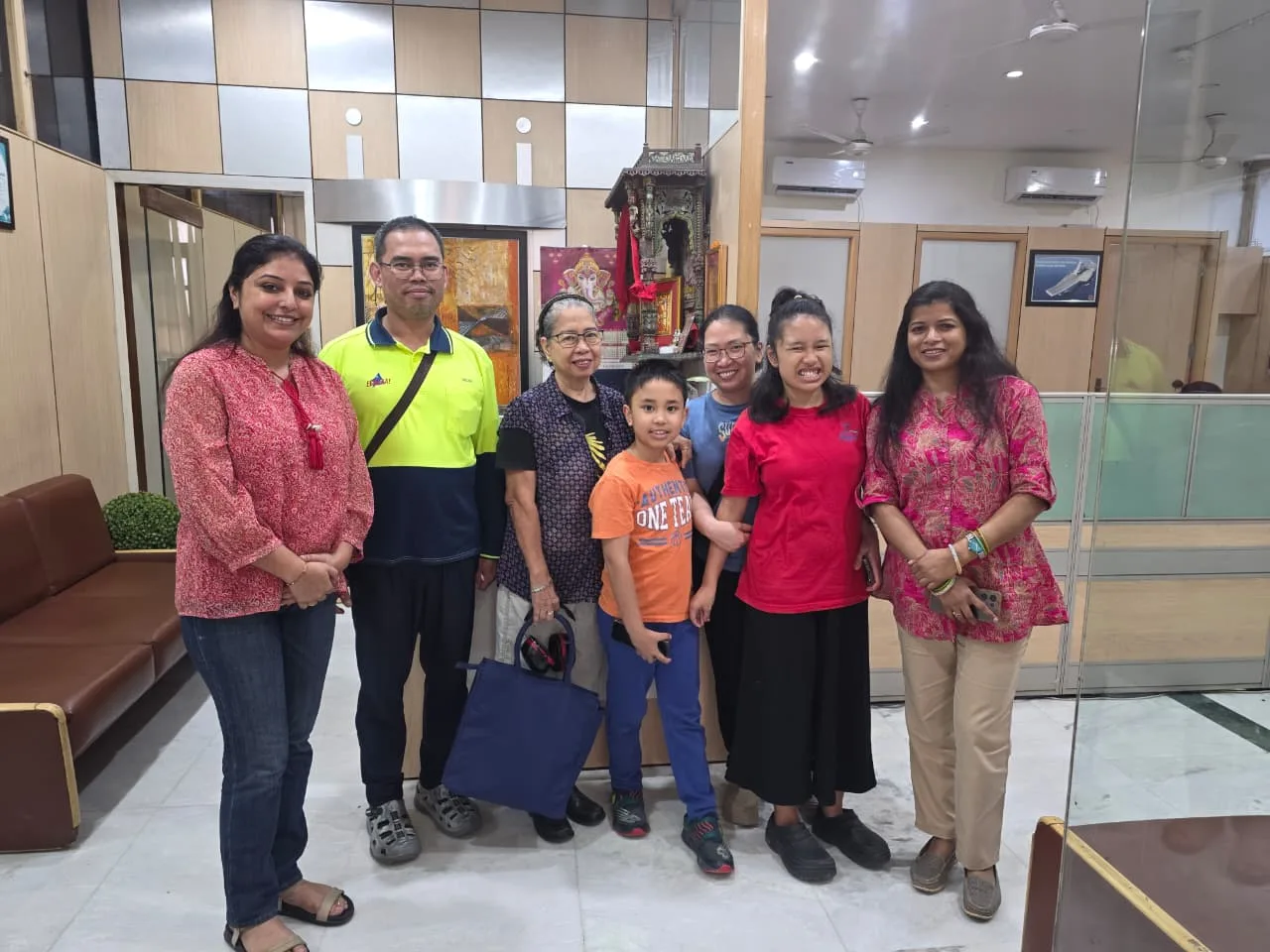
She approached Advancells if she could visit our research centre and see for herself how these cells are made. We were happy to accommodate her request and welcomed her for a lab visit. During her visit, our experts briefed about how stem cells are processed, how they are critically evaluated for infectious diseases and mutagenic biomarkers. She also enquired in detail about the quality standards being followed to determine safety and functionality of each and every stem cell. She was quite happy as the team patiently and transparently addressed all her queries, helping her gain confidence in the processes and practices in place. Filipinas described her experience as “ a turning point for our family”. She was hopeful about the limitless potential of stem cells in improving cognitive processing, emotional regulation, and sensory response; while also promoting language and social engagement- key areas that often challenge children with ASD.
Looking Ahead with Hope
She decided to move forward and try this experimental treatment at a hospital of her choice and remain in touch, sharing with us the progress her daughter is making. While each child’s response is unique and outcome may largely be dependent upon how the body reacts to stem cells, Celina’s mother remains optimistic.
She is hopeful that finally her daughter can treat the world around her with a positive perspective.

Recent Comments